Celebrating Innovation & Resilience in Local Communities
There’s no denying that working in the climate action space has brought many changes and challenges in the past year.
So, we hope you will take some hope and inspiration from this year’s nominations for the Climate & Energy Action Awards, which show the innovation, resilience and sheer hard work that local governments and Indigenous communities continue to show when tackling climate and energy challenges.
Congratulations to the nominees: Comox Valley RD, Coquitlam, Kamloops, Kelowna, Kitasoo Xai'xais Nation, RD Kootenay Boundary, New Westminster, District of North Vancouver, Richmond, Saanich, Sqwah First Nation, Vernon, and Whistler!
Our judges are currently deciding on winners, which will be formally presented at the Union of BC Municipalities Convention on Sep. 16, 2026 in Vancouver—please join us in person, if you will be there.
Thank you to the awards sponsors: BC Hydro, FortisBC, Real Estate Foundation of BC, Union of BC Municipalities, and the Municipal Finance Authority of British Columbia.
Jump to Nominee
- Comox Valley Regional District
- City of Coquitlam
- City of Kamloops
- City of Kelowna
- Kitasoo Xai’xais Nation
- Regional District of Kootenay Boundary
- City of New Westminster
- District of North Vancouver
- City of Richmond
- District of Saanich
- Sqwah First Nation
- City of Vernon & City of Kelowna
- Resort Municipality of Whistler
Nominees for the 2026 Climate & Energy Action Awards
Comox Valley Regional District
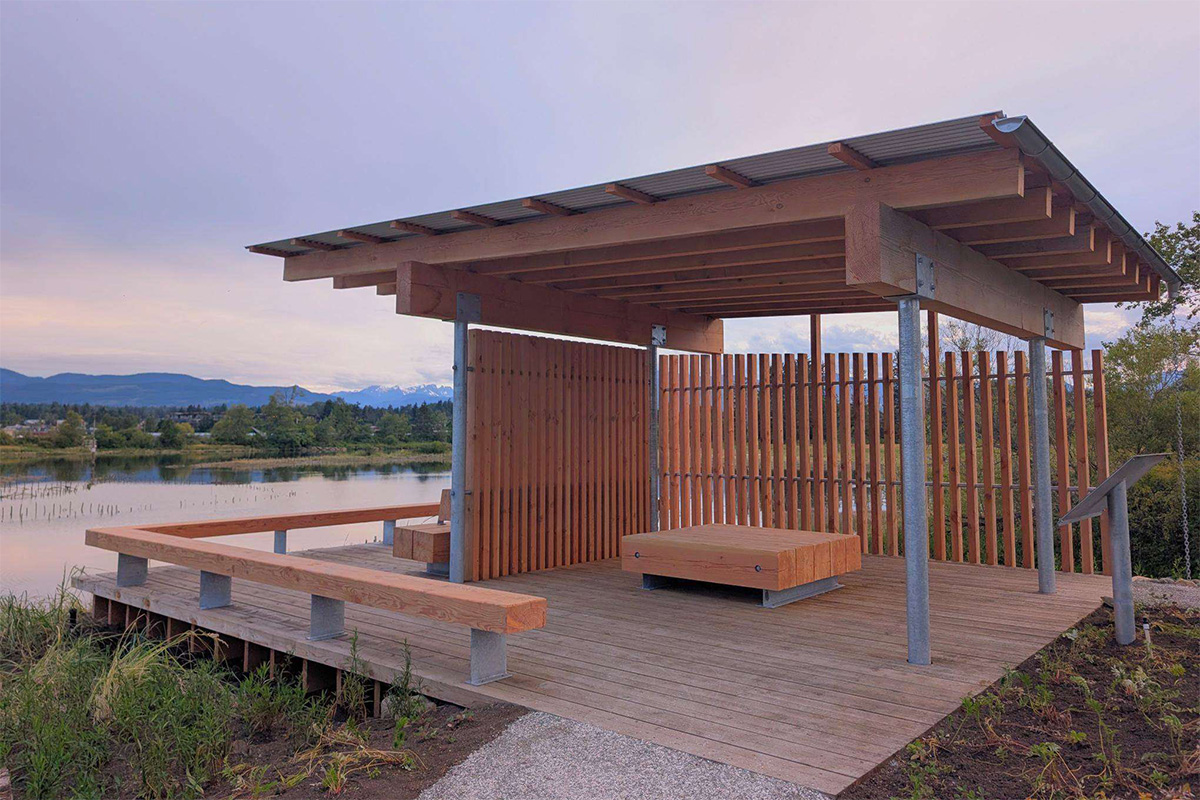
qapoje Park Green Shores and Coastal Resilience Project
The qapoje Park Green Shores and Coastal Resilience Project is a CVRD-led coastal restoration and climate adaptation project which opened to the public in 2026.
The project was developed with the Stewardship Centre for BC, K’ómoks First Nations Guardian Watchmen, Project Watershed, Pacific Salmon Foundation, Guardians of Mid-Island Estuaries, and technical consultants. They used a nature-based approach to improve shoreline resilience, incorporating flood resilience, habitat restoration, invasive species management, cultural protection, park safety, and public education in one integrated action.
qapoje Park is intended to help residents, professionals, and decision-makers see what climate-resilient shoreline design looks like on the ground. That practical visibility can help build public understanding and support replication in other coastal communities.
Reframing Coastal Resilience through K’ómoks Leadership
Since 2019, the Comox Valley Regional District has led the development of a Coastal Flood Adaptation Strategy to strengthen long-term resilience to sea level rise and coastal flooding.
Now in Phase 3, the initiative focuses on the K’ómoks Estuary, a low-lying, multi-jurisdictional area containing critical transportation infrastructure, agricultural lands, ecological and archaeological features, parks, and reserve lands. Building on earlier flood hazard mapping and risk assessments, the project brought together K’ómoks First Nation, local governments, provincial agencies, farmers, environmental organizations, and other regional partners to evaluate adaptation options, understand trade-offs, and develop a shared framework for action.
A defining feature of the project was its culturally centred engagement process, which incorporated Indigenous witnessing to foster accountability, cultural safety, and respectful collaboration.
The project produced a technical adaptation strategy alongside a storytelling video and commissioned artwork, demonstrating how relationship-building and collaborative planning can strengthen regional climate resilience.
City of Coquitlam
Climate Action Plan
The City of Coquitlam’s climate action plan outlines ambitious targets for reducing local greenhouse gas emissions and provides what it hopes will be a practical roadmap to achieving them.
The plan also intentionally integrates climate adaptation through a low-carbon resilience approach.
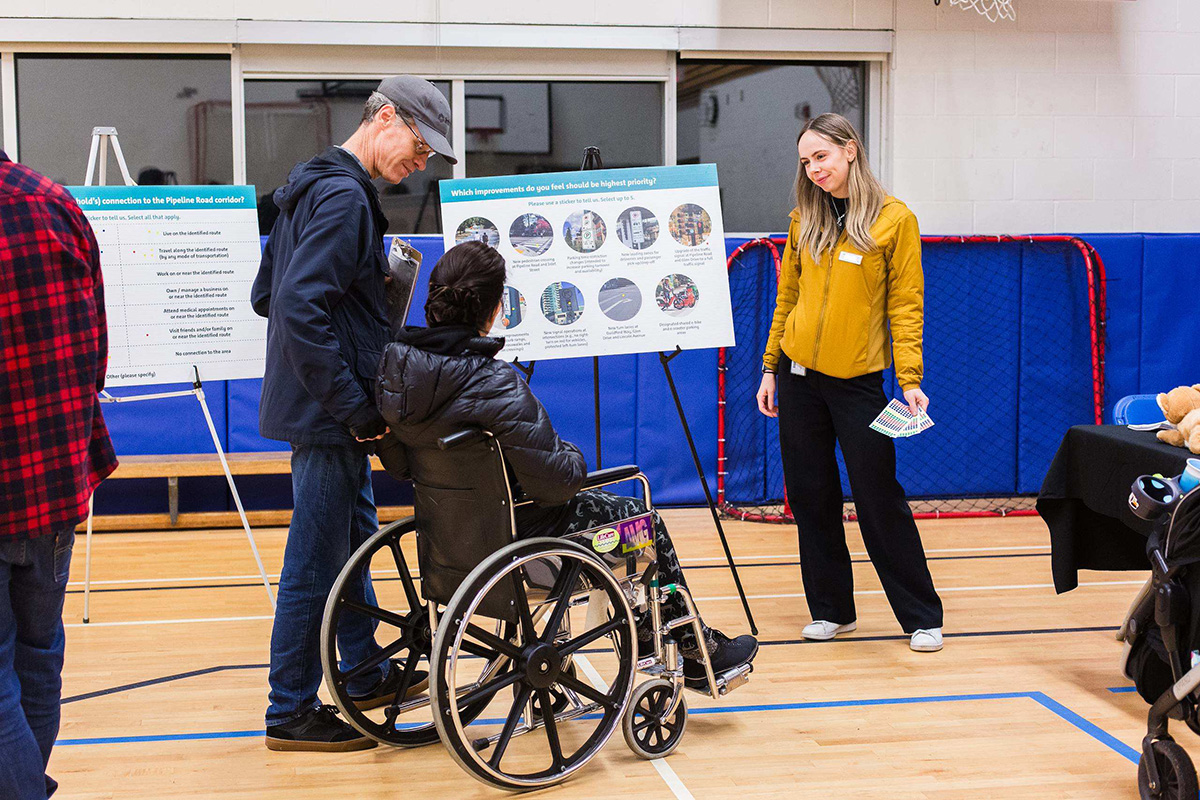
More than 1,200 community members took part in three phases of engagement, and the final plan is designed to make complex climate information accessible and engaging. Its flexible implementation model enables responsiveness to changing technologies, funding, and policy, positioning the City as adaptive and forward-looking.
City of Kamloops
Extreme Heat Planning
Kamloops was nominated by a community partner as “a shining example for other communities to follow” for sharing its extreme heat response and adaptation plan template with other communities in order to maximize its impact. Its communications materials have been used by a further 10 municipalities to date. Kamloops is also commended for working with NGOs and other stakeholders to create strong partnerships and ongoing collaboration.
The nomination continues: “They understand that climate change and extreme heat are hurting all of us. It's a generosity of spirit and a dedication to ongoing quality improvement that makes the City of Kamloops award worthy.”
City of Kelowna
Climate Smart Amendments
The Climate Smart Amendments are a set of regulations incorporated into Kelowna’s Zoning Bylaw to ensure three key climate resilience risks – urban heat, tree health and building energy efficiency – are considered as part of routine development decisions, helping move climate action from strategy into day-to-day service delivery. The result is a practical and scalable model for communities looking to implement climate resilience actions without adding entirely new permitting systems.
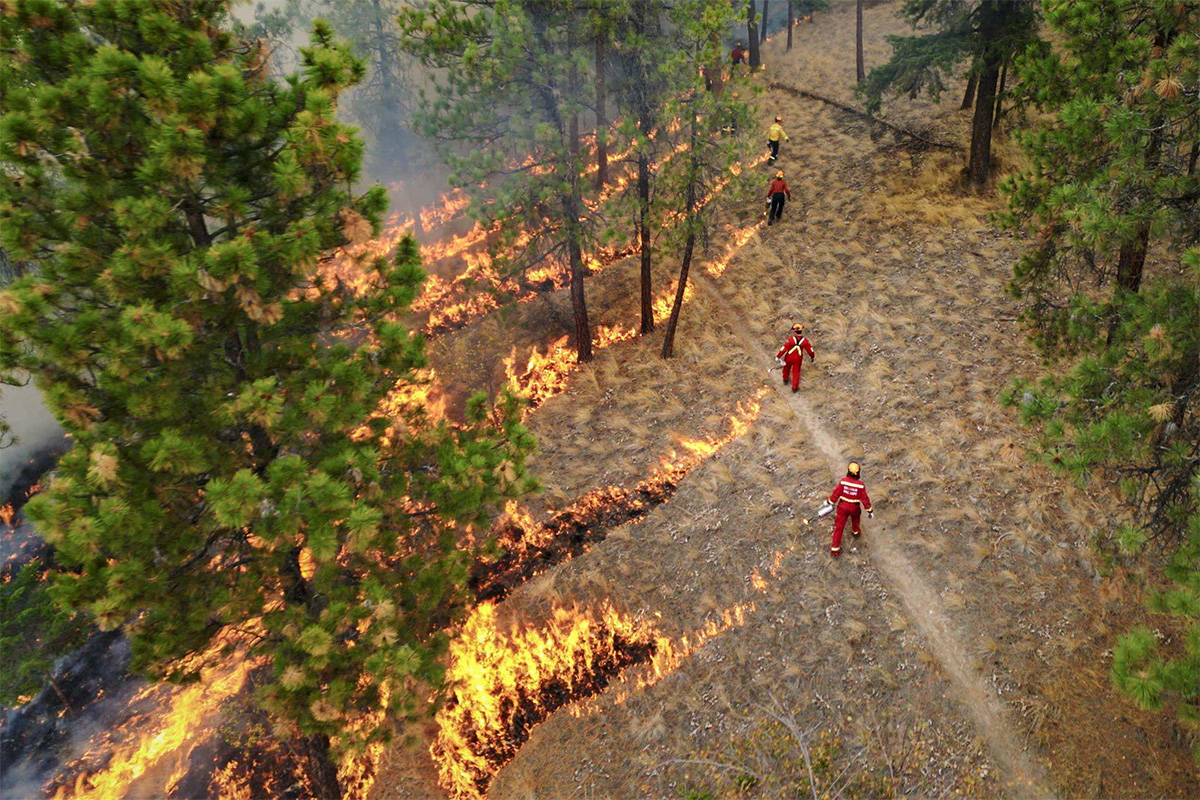
Knox Mountain Prescribed Burn
The Knox Mountain Prescribed Burn Program is a proactive climate adaptation initiative implemented by the City of Kelowna to reduce wildfire risk and restore ecosystem health within one of the city’s most heavily used natural areas.
The program brought together expertise from the Kelowna Fire Department, the City’s urban forestry and parks services teams, and the BC Wildfire Service to proactively implement a prescribed burning program that was safely and effectively delivered.
This challenges conventional approaches to urban wildfire management, which is often viewed as too complex or risky for urban settings.
Kitasoo Xai'Xais Nation
Heat Pump Program
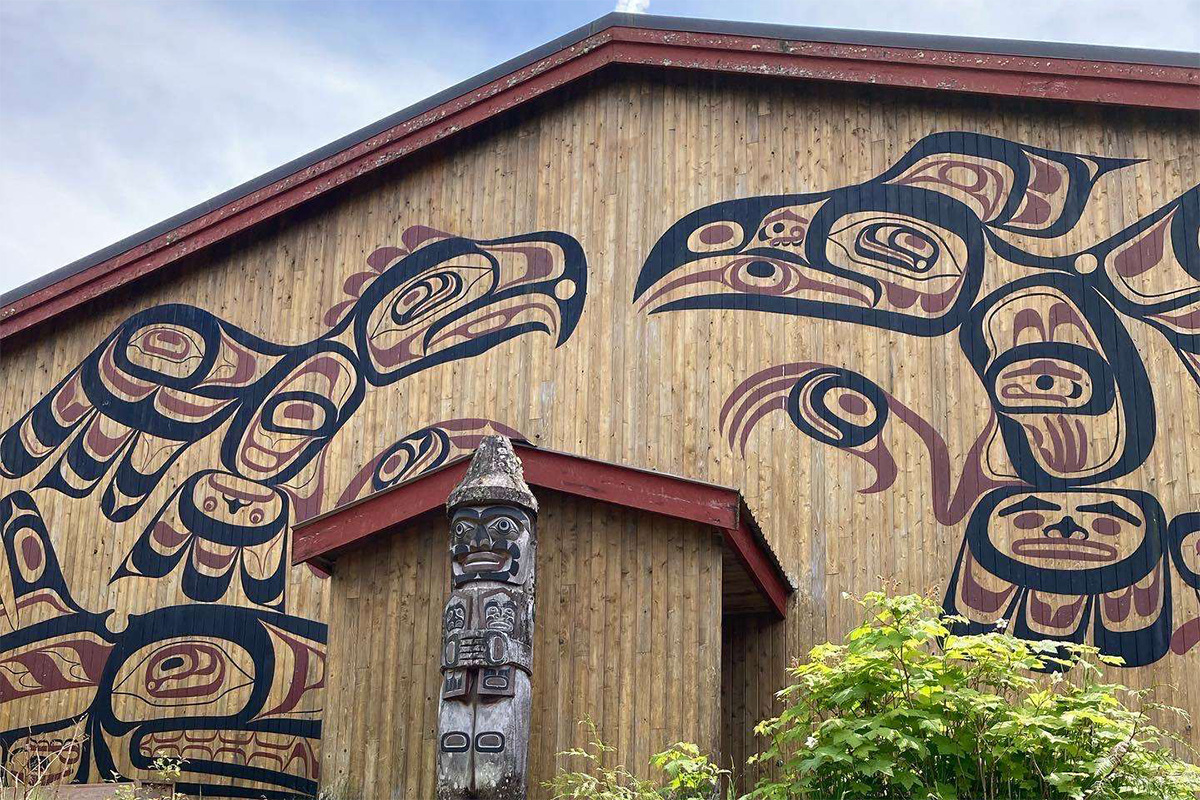
Kitasoo Xai’xais Nation is located in the remote, off-grid community of Klemtu and has a vision of becoming the greenest community on BC’s central coast.
Heat pumps have replaced fossil fuel heating in 106 of the community’s 129 buildings since 2021, including 95 homes and 11 community spaces. The new heat pumps are powered by a local hydro plant that is owned by community itself, which means the cost of electricity can be kept low and the revenue from powering members’ homes stays local. The move to heat pumps has reduced annual diesel use by 54,000 litres, a significant saving in both greenhouse gas emissions and energy costs to members. Some members report that moving away from fossil fuel has reduced their monthly bill by hundreds of dollars.
Community engagement included heat pump information sessions and local members have received heat pump maintenance training.
The Nation created a Community Energy & Emissions Plan in January 2026 which includes a plan to add a community solar PV and battery system. By investing in local, clean energy, the Nation is maintaining ownership over their energy and is less reliant on fossil fuels, which must be purchased and barged to the community.
Regional District of Kootenay Boundary
HomeSmart Creating Climate-Resilient Homes
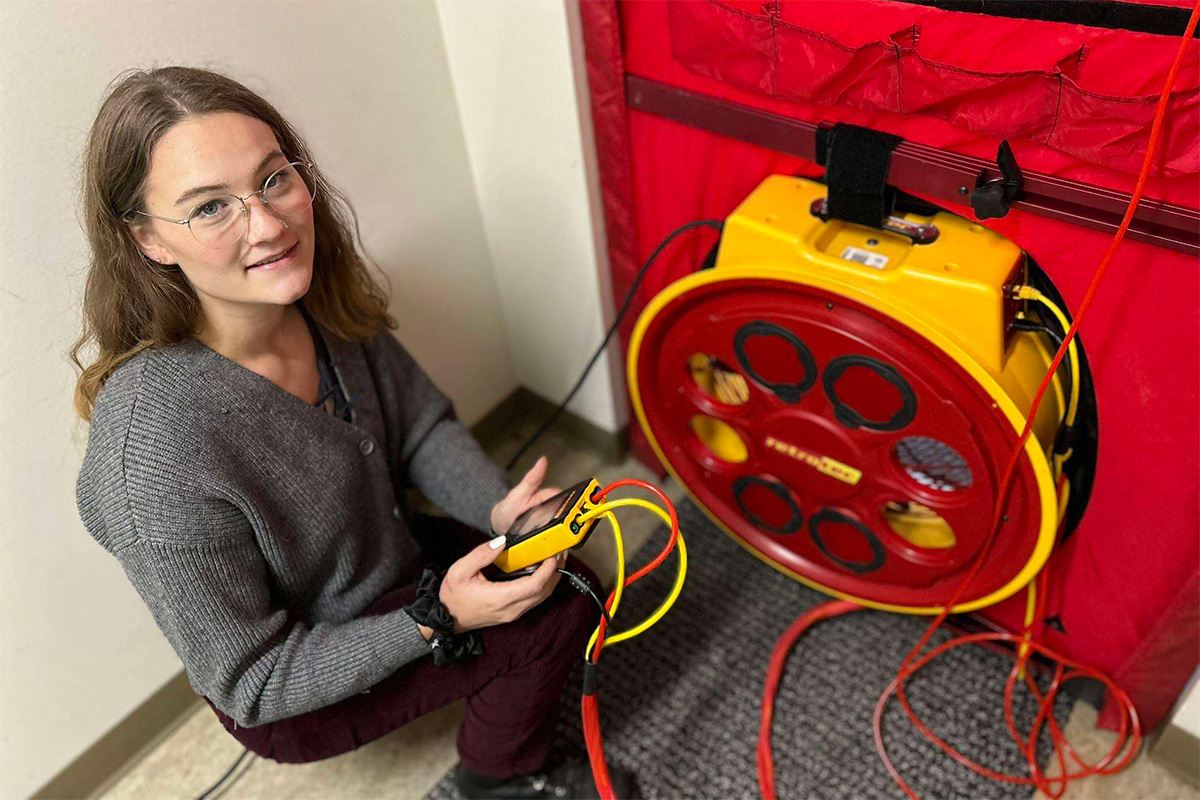
The Regional District of Kootenay Boundary (RDKB) HomeSmart program is a four-year residential retrofit initiative serving rural communities across the South Kootenay and Boundary region.
Launched in 2024, it helps homeowners reduce energy costs, improve comfort, lower greenhouse gas emissions, and increase resilience to climate risks. The program addresses rural barriers such as affordability, limited contractor availability, and access to EnerGuide assessments through a free concierge service that provides personalized retrofit planning, rebate and financing support.
HomeSmart integrates energy efficiency with climate adaptation, including wildfire, extreme heat, severe weather, and drought preparedness. The program also supports income-qualified households, participates in the BC Home Energy Planner pilot, and provides the RDKB HomeSmart Guide, while working with local partners to improve access to retrofit services and build community capacity.
City of New Westminster
Response to Extreme Heat
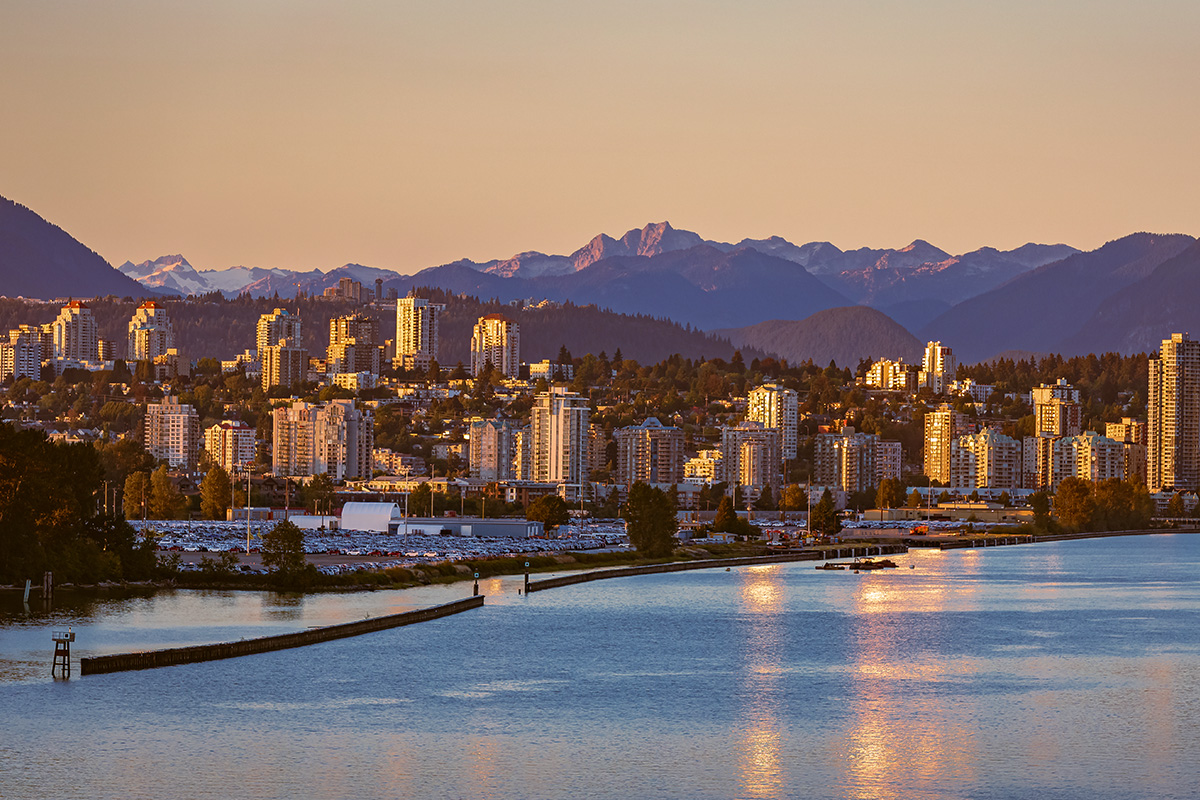
Following the 2021 heat dome that claimed 619 lives in BC, the City of New Westminster launched a coordinated, cross-departmental extreme heat initiative to shift from reactive emergency response to proactive, community-wide resilience.
The program features two streams: one that focuses on protecting lives from extreme heat through immediate actions, and another that focuses on building long-term community resilience by reducing the potential for overheating in homes and buildings.
New Westminster became the first city in Canada to adopt bylaws prohibiting landlords from restricting cooling equipment (2025) and requiring at least one safe overnight living space in occupied rental units (2026).
To support this bylaw, rental building owners can sign up for a free energy and cooling assessment that evaluates the rental building’s current cooling capacity and provides recommendations for cost-effective cooling improvements. There is also a Stay Cool at Home information drive aimed at tenants.
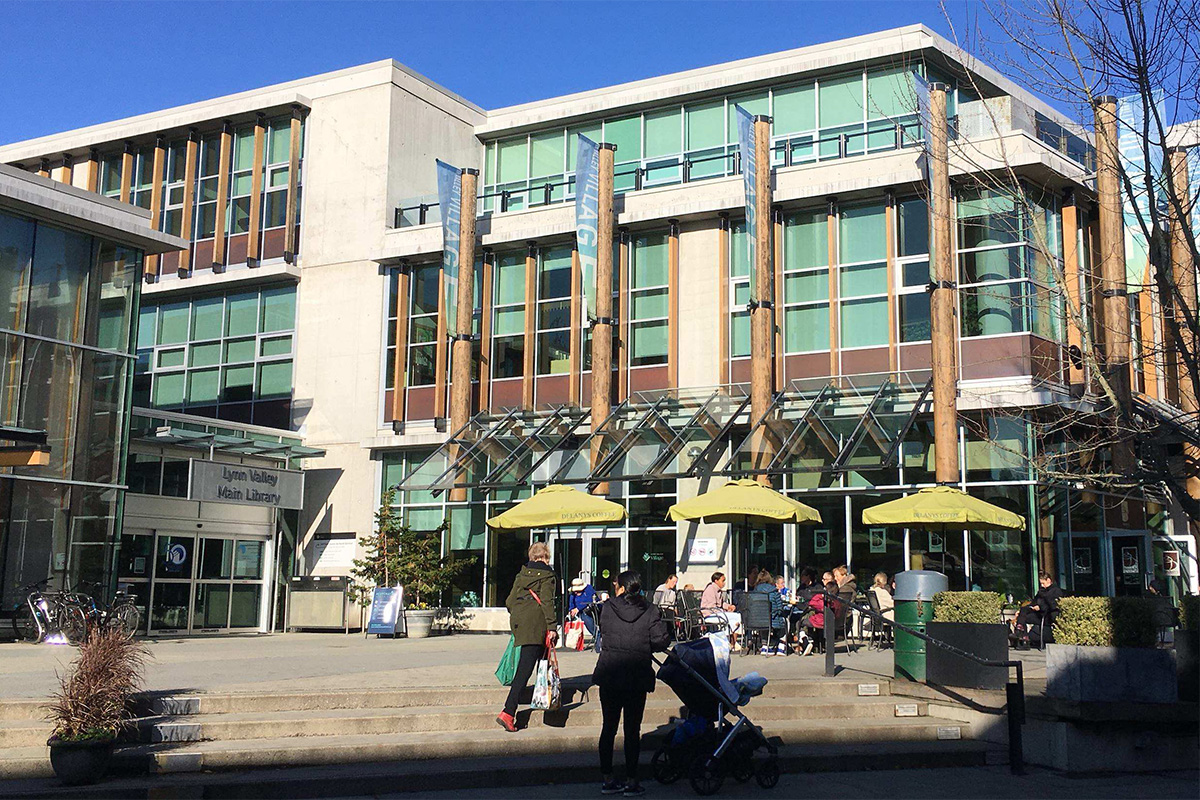
District of North Vancouver
Energy Optimization Program for Civic Facilities
Systematic energy audits of civic buildings are identifying small, low-cost changes that can reduce energy use, lower emissions, and improve performance.
Supported by funding from BC Hydro, the District established a dedicated staff position to lead this work and embed energy management expertise within the organization.
The Energy Optimization Program audited and optimized five municipal facilities in 2025, implementing strategic low- and no-cost improvements that will save $48,000 annual energy costs with a 17% reduction in GHG emissions.
For example, broken parkade exhaust sensors at Lynn Valley Library were found to have caused exhaust fans to run continuously for more than a decade. Restoring automated controls instantly eliminated about 11% of the facility’s annual electricity use, saving $21,600 annually.
In 2025 the Energy Optimization Program generated annual savings of 247,809 kWh of electricity and an additional 70,000 kWh reduction is already planned for 2026.
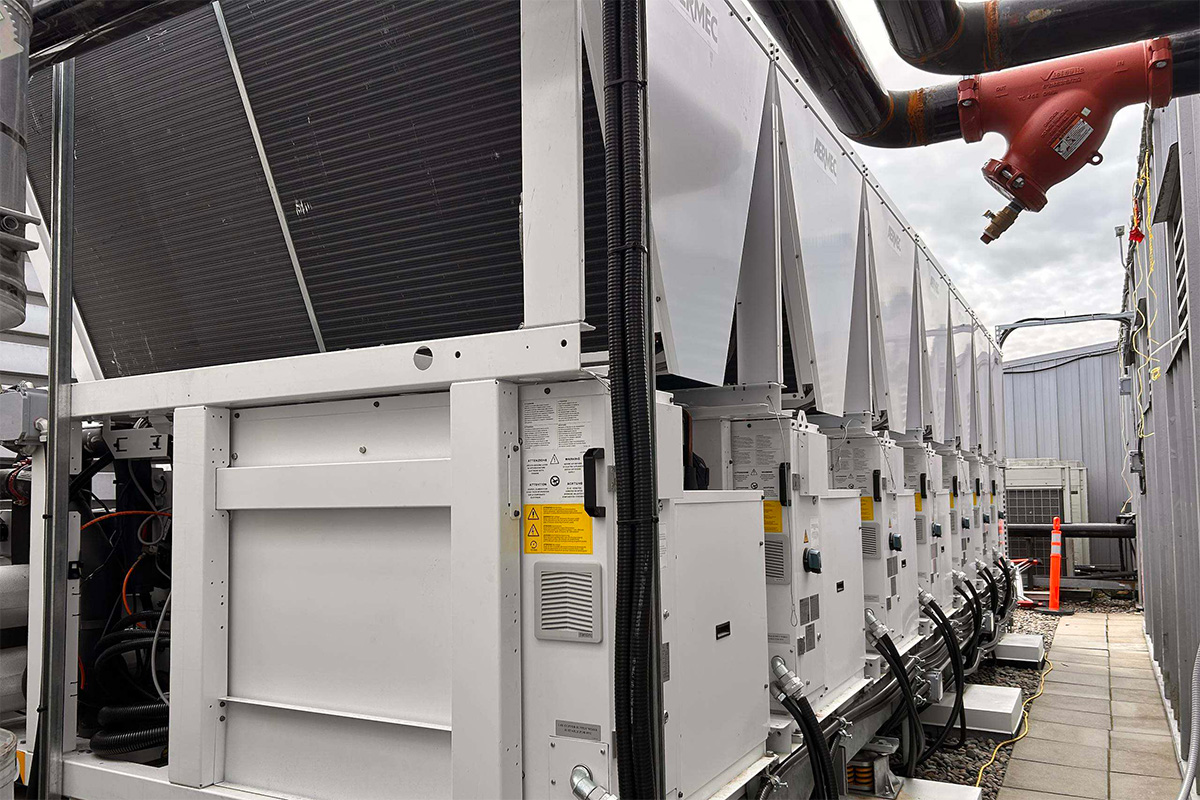
City of Richmond
City Hall Electrification
This project delivered a deep energy retrofit of City Hall by electrifying its primary HVAC systems. New high-efficiency air-to-water heat pumps replaced aging cooling systems and is projected to reduce GHG emissions by 65%, equivalent to 131 Tonnes CO2 or removing 28 passenger vehicles from the road every year.
Importantly, the project demonstrates the value of embedding climate considerations early in capital planning. Early planning transformed a routine equipment replacement into a high-impact electrification project, accessing a $136,800 CleanBC incentive through BC Hydro.
As one of the City’s most prominent civic facilities, City Hall also serves as a real-world model of building electrification that can build confidence in the technology and inform similar initiatives across the public and private sectors.
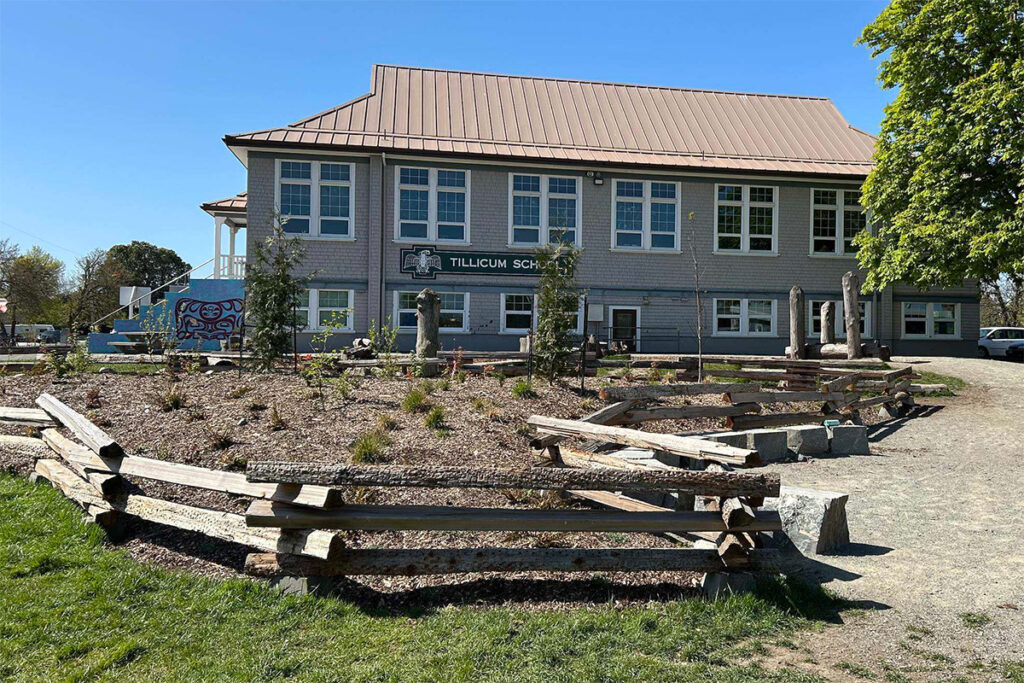
District of Saanich
Tillicum Green Infrastructure Project
Saanich has been keen to enhance the climate adaptability of one of its neighbourhoods and worked with the school district and other partners to achieve it. Their solution was rain gardens: a natural way to accommodate rainwater from paved surfaces while also providing shade and enhance biodiversity. Working with a local elementary school, more than a dozen rain gardens were added to the school grounds and the surrounding area, involving more than 100 trees and 1200 shrubs.
The tree canopy increased by 525% on school property and 20% on adjacent municipal lands. The project has also added sidewalks, crosswalks, benches, bike racks and signage, aiming to encourage more walking or cycling.
Students and teachers helped plant the school rain garden and the outdoor learning space gives students a valuable place to learn about culturally important species in their own community.
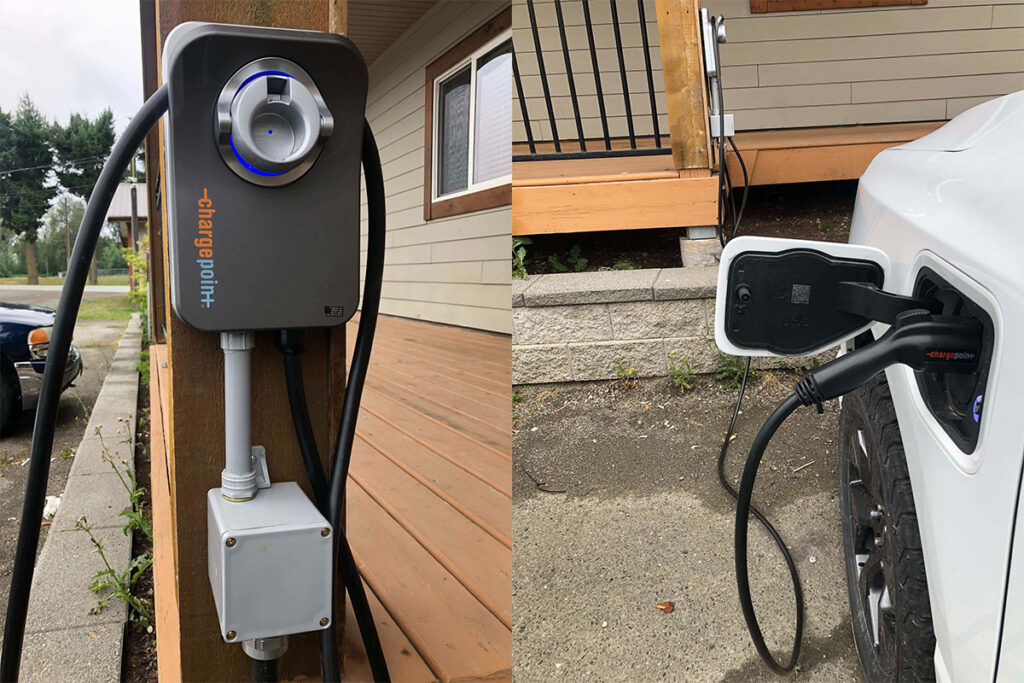
Sqwah First Nation
Community Energy Plan and Solar Project
Sqwah First Nation, in the area of the City of Chilliwack, has advanced climate action through a community-led approach that integrates clean energy, energy efficiency, climate resilience, and environmental stewardship. Guided by its Community Comprehensive Plan and Community Energy Plan, the Nation installed solar photovoltaic systems on three community buildings, with handheld displays that show real-time electricity generation, carbon dioxide reductions, fuel savings, and the equivalent number of trees preserved.
EnerGuide home energy evaluations for 29 homes identified opportunities to improve energy efficiency, helping residents reduce high energy costs, increase comfort, and prepare for future climate impacts.
Additional initiatives include purchasing an electric vehicle, installing an EV charger, and restoring salmon habitat through stream restoration and erosion control. Supported by the Fraser Basin Council's EPIC program, a dedicated Community Energy Champion has worked with consultants, community departments, and residents to develop policies, engage the community, and build local capacity. Together, these initiatives demonstrate Indigenous leadership in climate action while delivering economic, environmental, and community benefits.
City of Vernon and City of Kelowna
Climate Action Ripple Effect (CARE) program
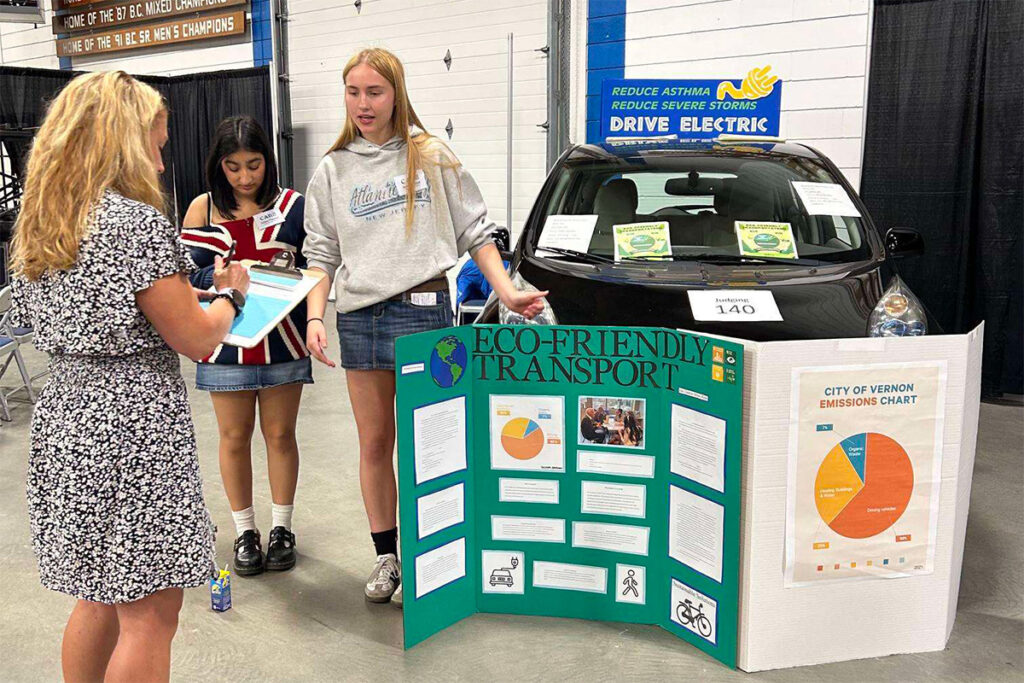
The Climate Action Ripple Effect (CARE) program empowers Grade 5-12 students across Vernon and Central Okanagan schools by matching them with real, community-based projects supported by mentors from multiple sectors, including the City of Vernon and City of Kelowna. Students report that this work has helped them shift from climate anxiety to climate action. Last year, nearly 1,800 students, teachers, and mentors collaborated on more than 400 projects. In one school, students produced short films on regional water sourcing, the impacts of dry climates, and raising visual community awareness regarding the City of Vernon Climate Action Plan. Backed by provincial funding via the Local Government Climate Action Program, the City of Vernon partnered with CARE to host a community climate event. By working on local projects, students learn, apply that learning through tangible projects, connect with community partners, and then share their work publicly, amplifying impact through networks, events, and media.
Resort Municipality of Whistler
Building Retrofit Strategy
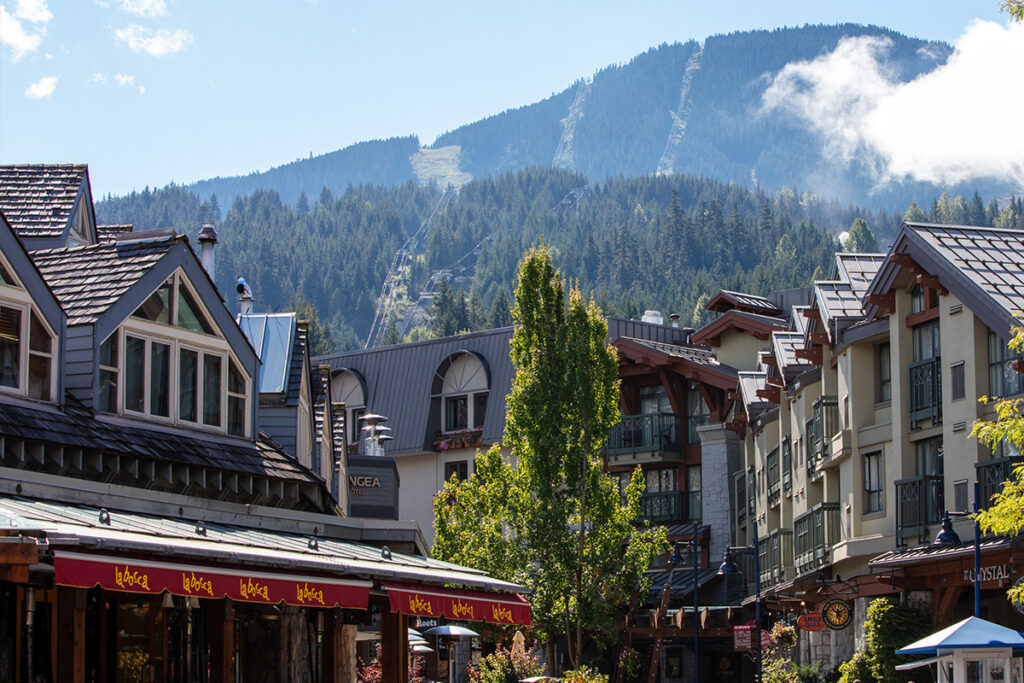
The Building Retrofit Strategy, adopted in May 2026, aims to reduce building-related greenhouse gas emissions while creating more resilient buildings and communities.
Developed through technical analysis of Whistler's building stock, collaboration across municipal departments, and peer learning with Banff, Canmore, and Aspen, the strategy identifies 15 actions to accelerate building decarbonization.
These include developing updating and expanding retrofit programs and policies, an energy reporting requirement for large buildings, removing barriers to energy upgrades, and engaging building owners and property managers to design practical, effective solutions.
Eight high-priority actions have been identified for immediate implementation based on their potential to deliver significant emissions reductions and long-term climate resilience. By combining evidence-based planning with collaboration across departments and the community, the strategy provides a practical blueprint for achieving Whistler's 2030 climate targets while supporting residents, businesses, and the local building sector.
