Renewable Energy in the Peace
The Northeast is a powerhouse for British Columbia, providing electricity from hydro, wind, and solar projects. With electricity demand forecasted to grow 15% by 2030 and potentially double by 2050, and with many new projects in the region proposed through BC Hydro’s recent calls for power, it was a perfect time to convene a conversation about Renewable Energy in the Peace.
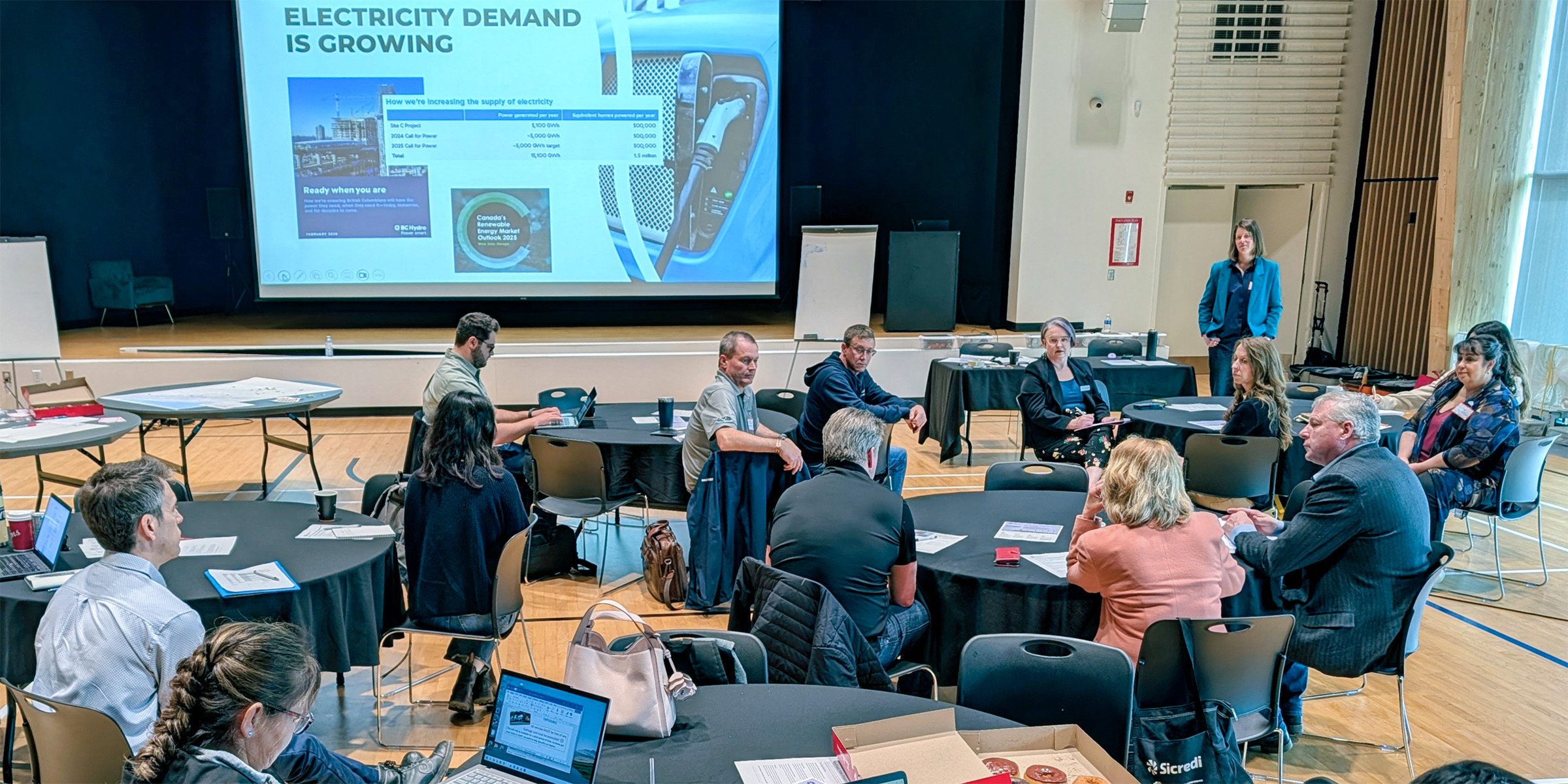
Participants representing local governments, education, First Nations, the renewable energy industry, and local business gathered at the Saulteau First Nations cultural centre for dialogue, hands-on education about how wind turbines and solar panels actually work, and a tour of the Vestas operations and maintenance facility in Chetwynd.
The event was held on April 20, the day before the Creating Energy conference in Fort St. John, and was organized and presented by CEA, the Canadian Renewable Energy Association, and Relay Education.
Current and Planned Projects
Discussion included a variety of utility-scale and community projects:
- The Saulteau First Nations’ project to install rooftop solar panels on the majority of homes in the community, expected to save residents about $600,000 annually and cut GHG emissions by 700 tonnes and both the planned and operating wind projects in the Peace.
- The small hydro project built downhill from Fort St. John’s wastewater treatment facility that generates power and earns revenue for the municipality of about $80,000 annually.
- Representatives from existing wind projects shared operational insights, including workforce requirements during both construction (up to 150 jobs per project at peak) and operations (roughly one technician per 10 turbines), wildlife monitoring, and end-of-life blade management.
More information about wind and solar projects is available at windandsolarbc.ca
Presented in partnership with:

Advancing Renewable Energy Together
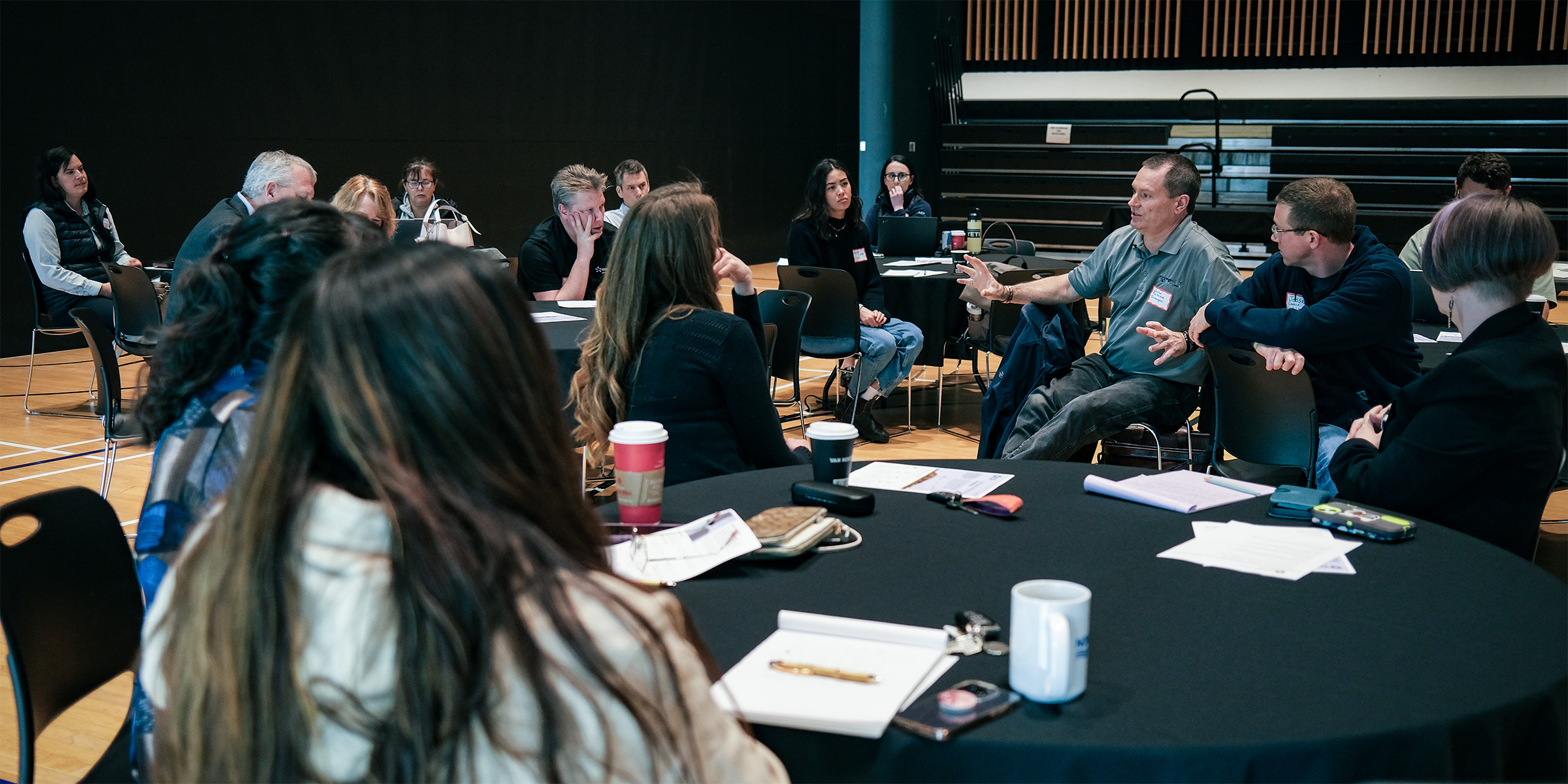
Dialogue was organized around three questions meant to focus on regional priorities and benefits.
“Local expertise is developed in this region, leading to strong local growth driven by new investment.”
“It comes down to jobs and power.”
“Grid reliability and redundancy of power options. This includes for rural areas and industry.”
“Cost savings, both up-front and over time.”
“Reducing greenhouse gas emissions and industry demands.”
“I’d like to see more local benefits for the regions generating all the energy (e.g., a differential rate for the regions that generate the most power). We should have a lower electrical bill in this region.”
"Energy sovereignty really comes to mind. We get overlooked being so far in the north. There’s so much ingenuity in the north because we have no choice. So, community sovereignty is an overarching theme for me.”
“We want to ensure we’re matching education and training programs with opportunities. In some cases, the projects in our region are bringing in workers from Ontario, or even Europe. We want to focus on local jobs and revitalizing training programs to meet the needs of the wind projects.”
“We need to prioritize local employment on construction and reclamation.”
“Cumulative effects is a priority for me; addressing data gaps and being serious about reclamation.”
“We could do more strategic planning in the North, possibly staggering or at least coordinating projects to ensure the dollars go in the right place and local benefits and consistent monitoring are prioritized.”
“We should reframe the conversation around renewables. They are often described as ancillary or an add-on, especially by BC Hydro. We should think about it more as co-generation.
“Taxation needs to support local services and infrastructure, such as schools.”
“Honestly: communicating the costs and benefits while acknowledging the downsides as well as the good.”
“We have to get you in front of every municipality and regional district in the regions the projects are in. We need to get you in front of more people. It has to start as grassroots like this, which is great.”
“The value of renewable energy needs to be understood within the entire energy portfolio. Electricity is one piece; it’s important to understand all the sources, uses, opportunities, and drawbacks.”
“Sharing examples of personal success through social media, conferences, and schools.”
“Use your Chambers of Commerce! Become members and utilize the amazing connections to the communities you’re becoming a part of.”
Vestas Tour in Chetwynd
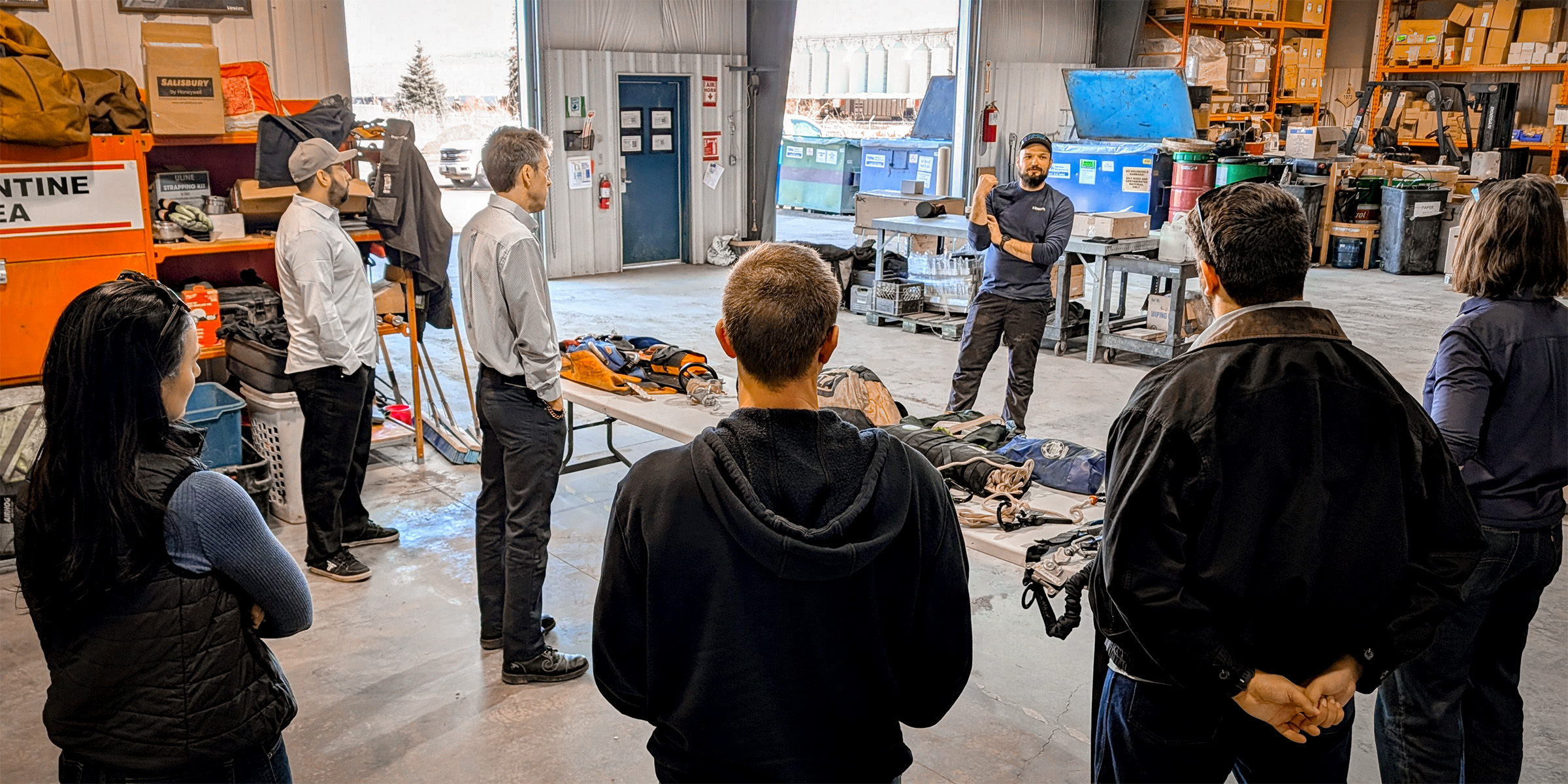
Participants were provided a tour of the Vestas operations and maintenance facility in Chetwynd by its manager, Aaron Berezowski. He described the dynamic and challenging nature of the work and the unique characteristics required for success in the wind sector. He also acknowledged a preference for employees who are familiar with the community and region and singled out two local Vestas employees who grew up in Chetwynd and have achieved high levels of technical certification, providing leadership in the sector and mentorship to new employees.
The Dokie Wind Project west of Chetwynd has 48 turbines. It is one of seven large-scale operating wind projects in the Peace region.
Renewable Energy 101
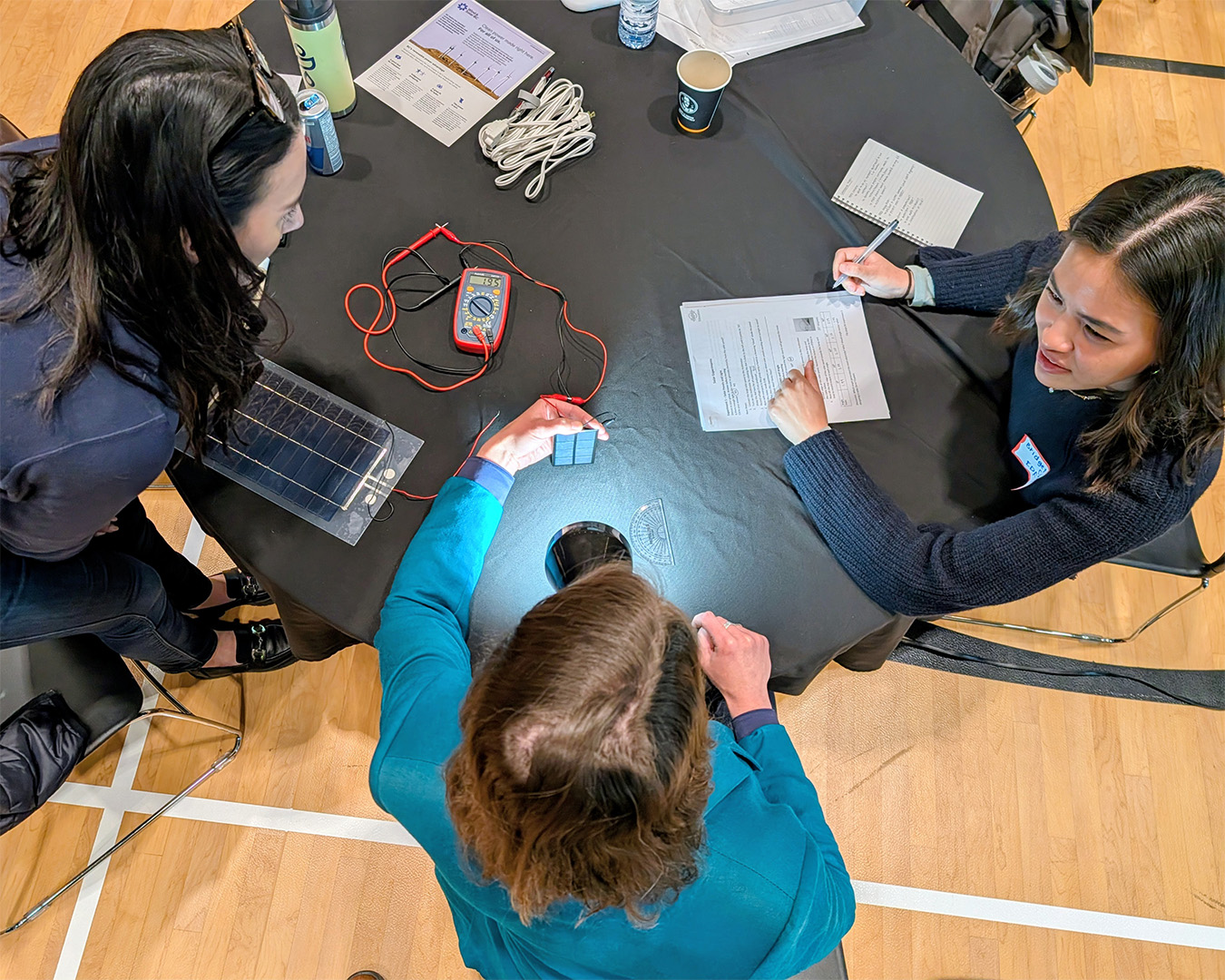
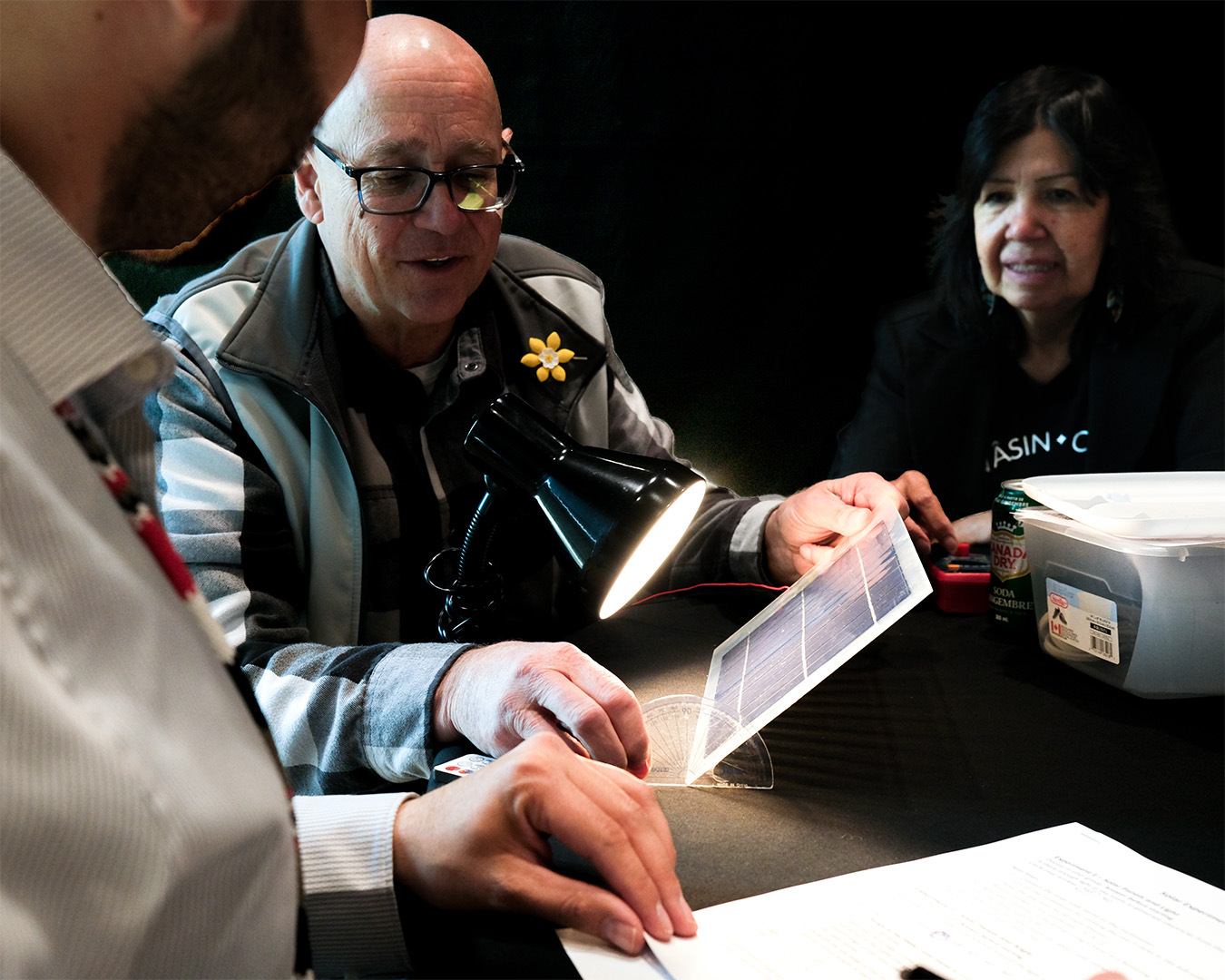
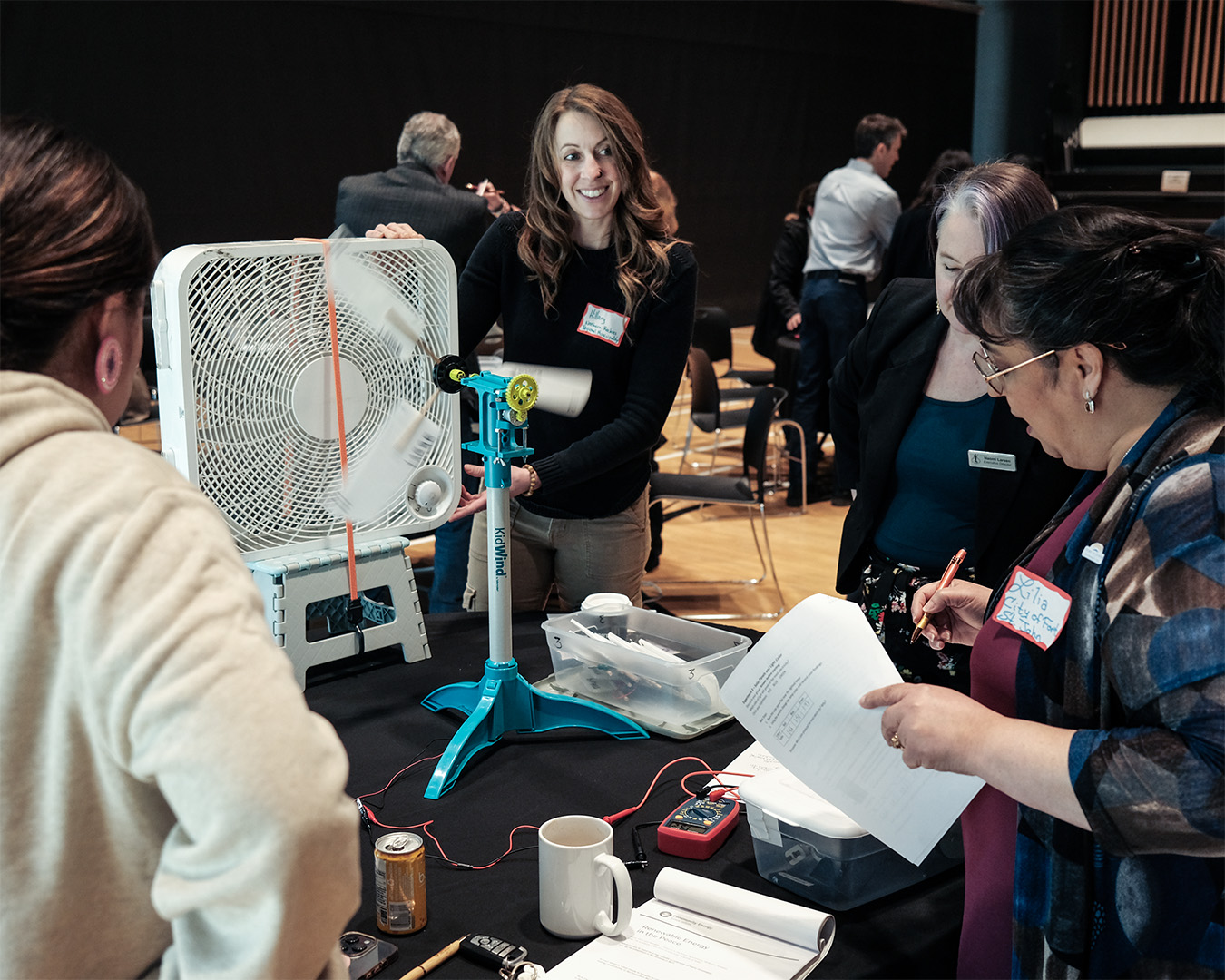
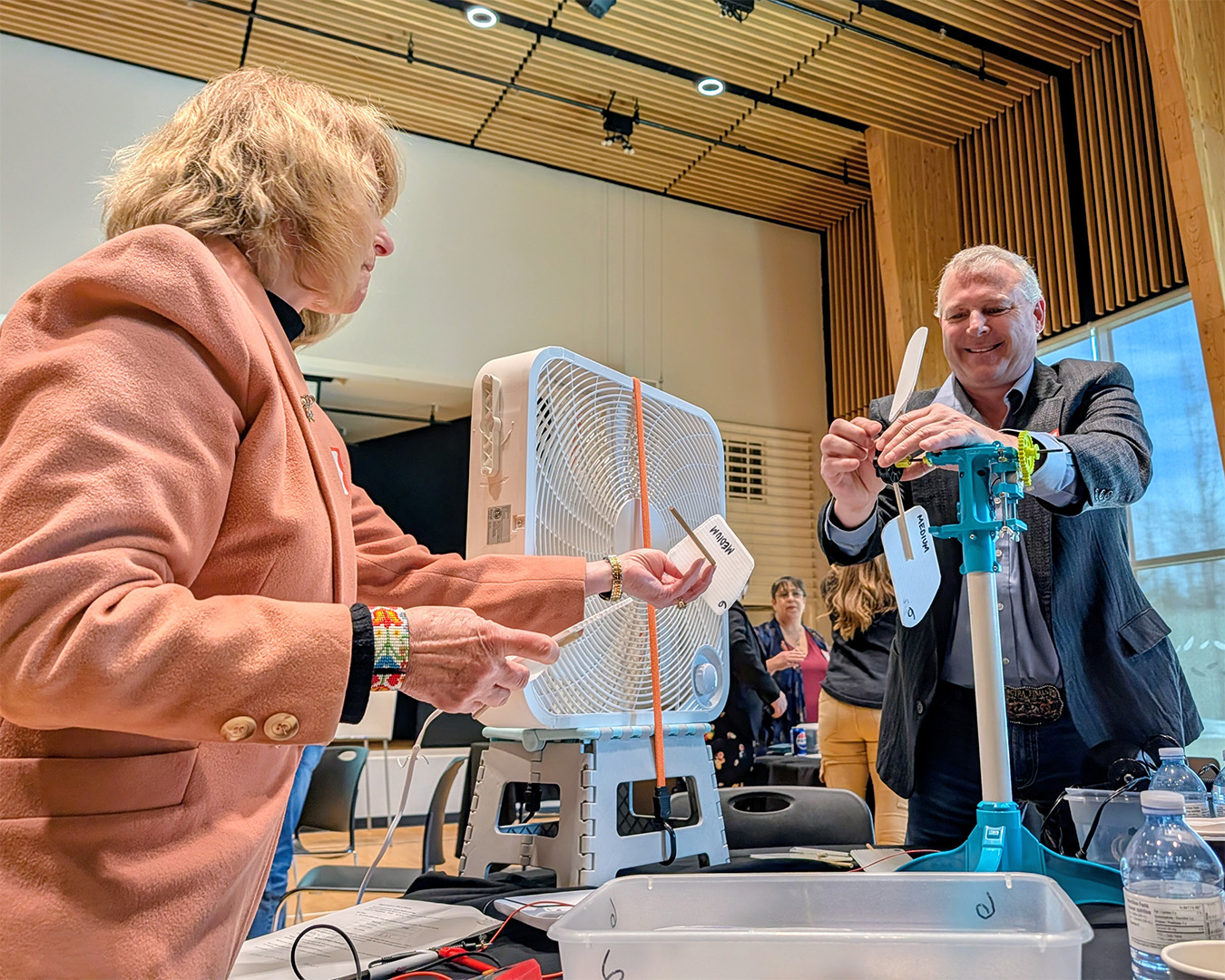
This hands-on part of the event included a variety of experiments designed to increase understanding of solar and wind technologies and erase common misperceptions.
Solar experiments
With a couple of sample solar panels and a portable light representing the sun, participants tested the electricity production of solar panels at different angles and under different colours of light. They also simulated the performance of solar panels in the shade, when heated, and during a rain shower.
Wind experiments
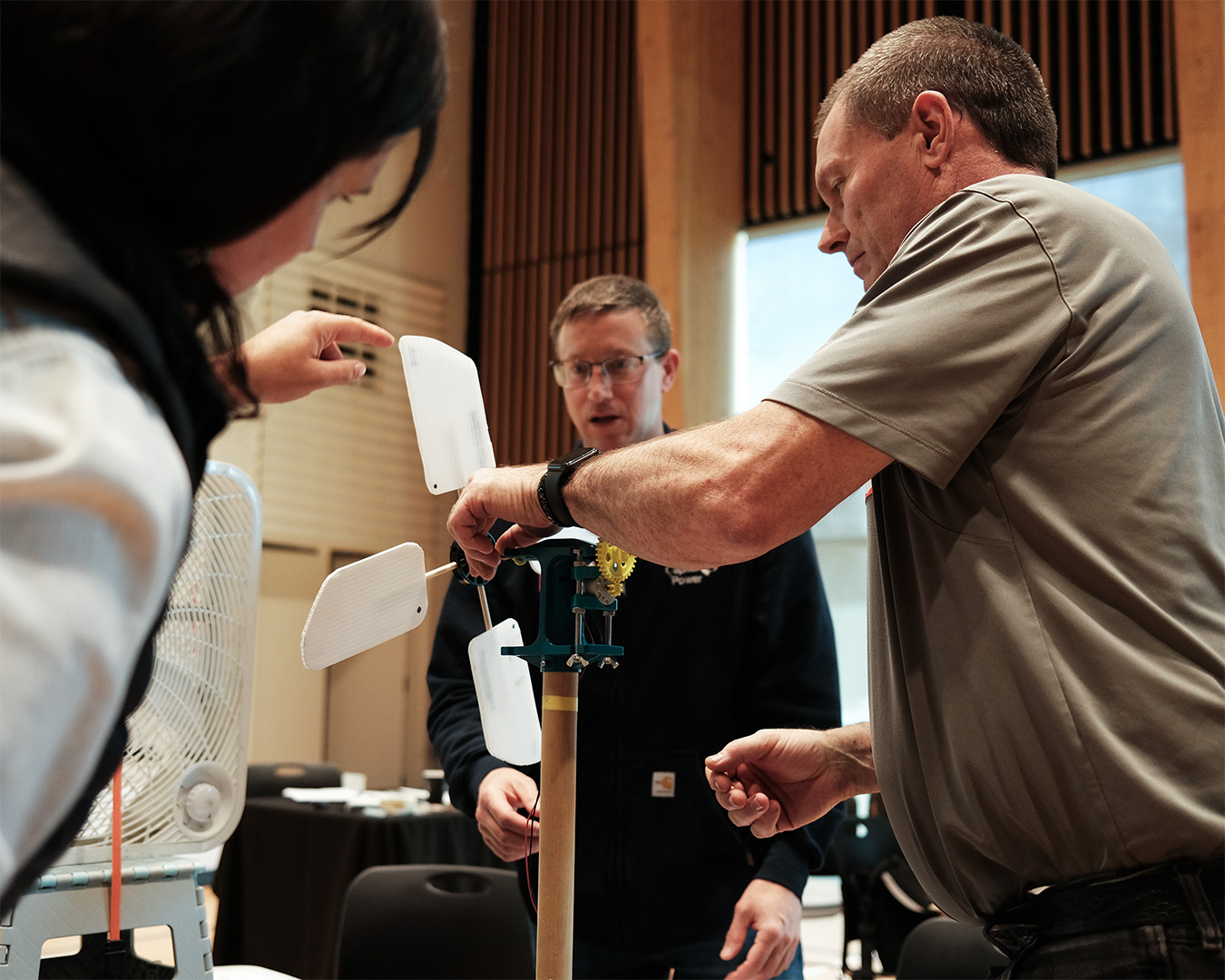
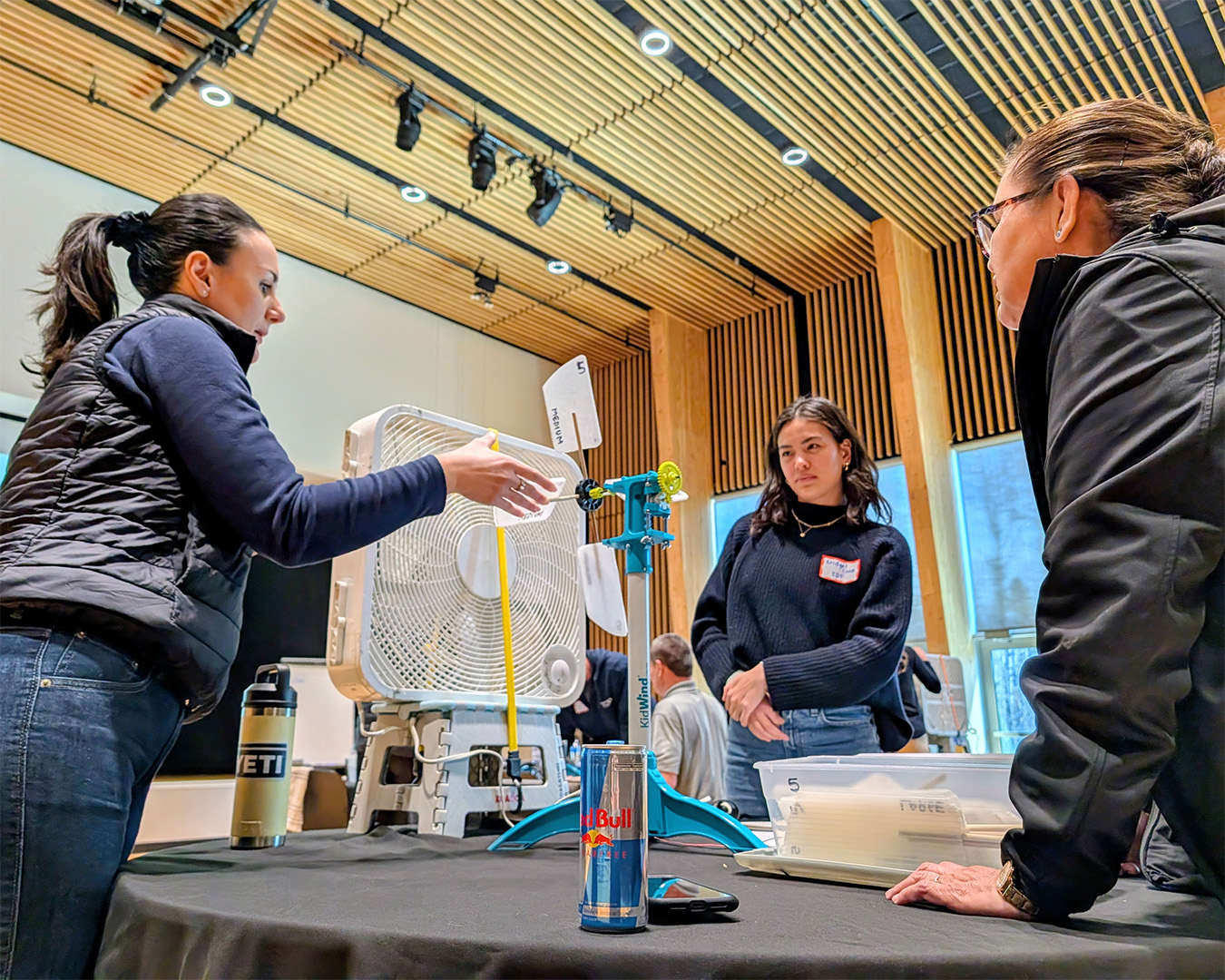
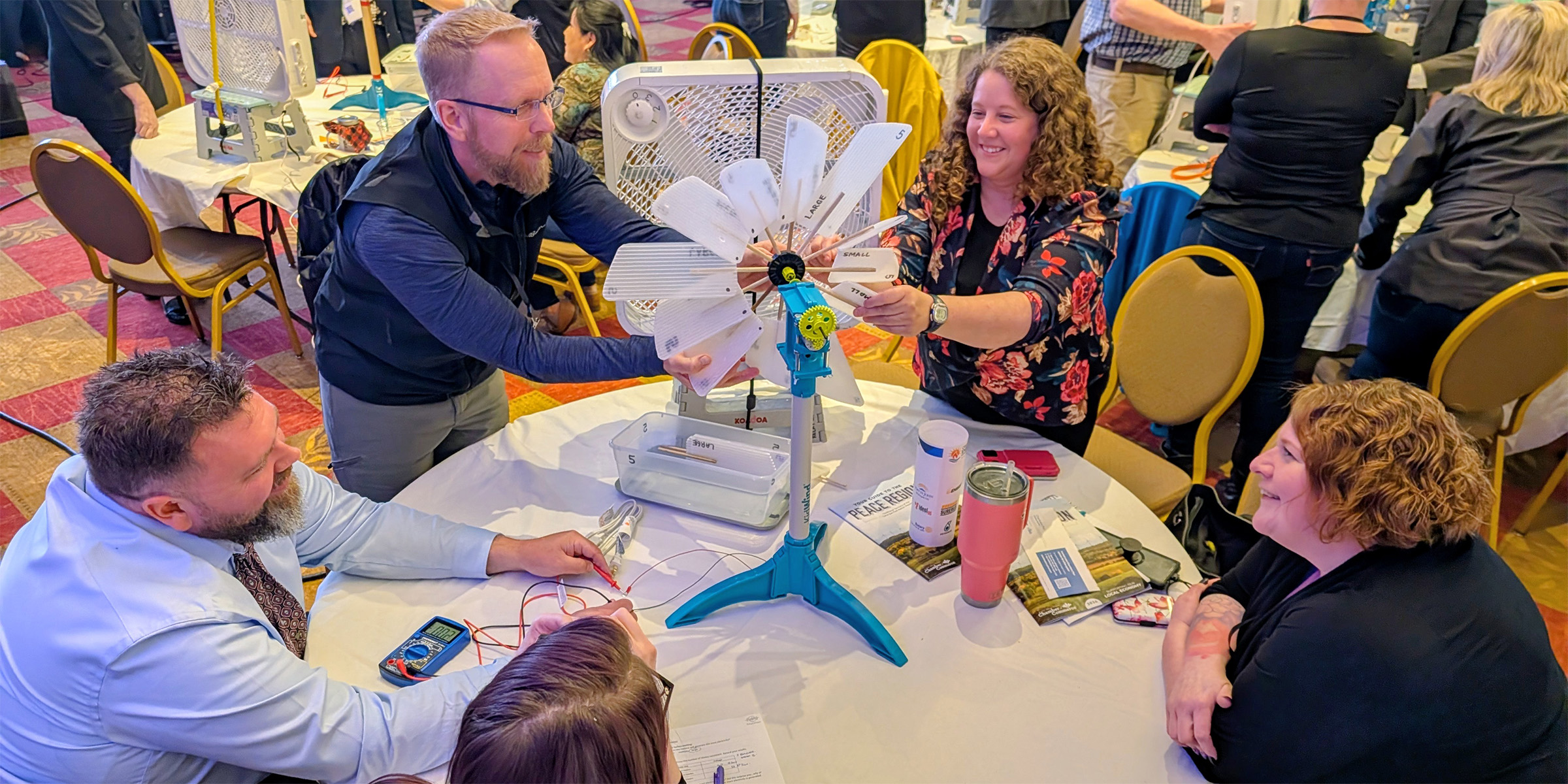
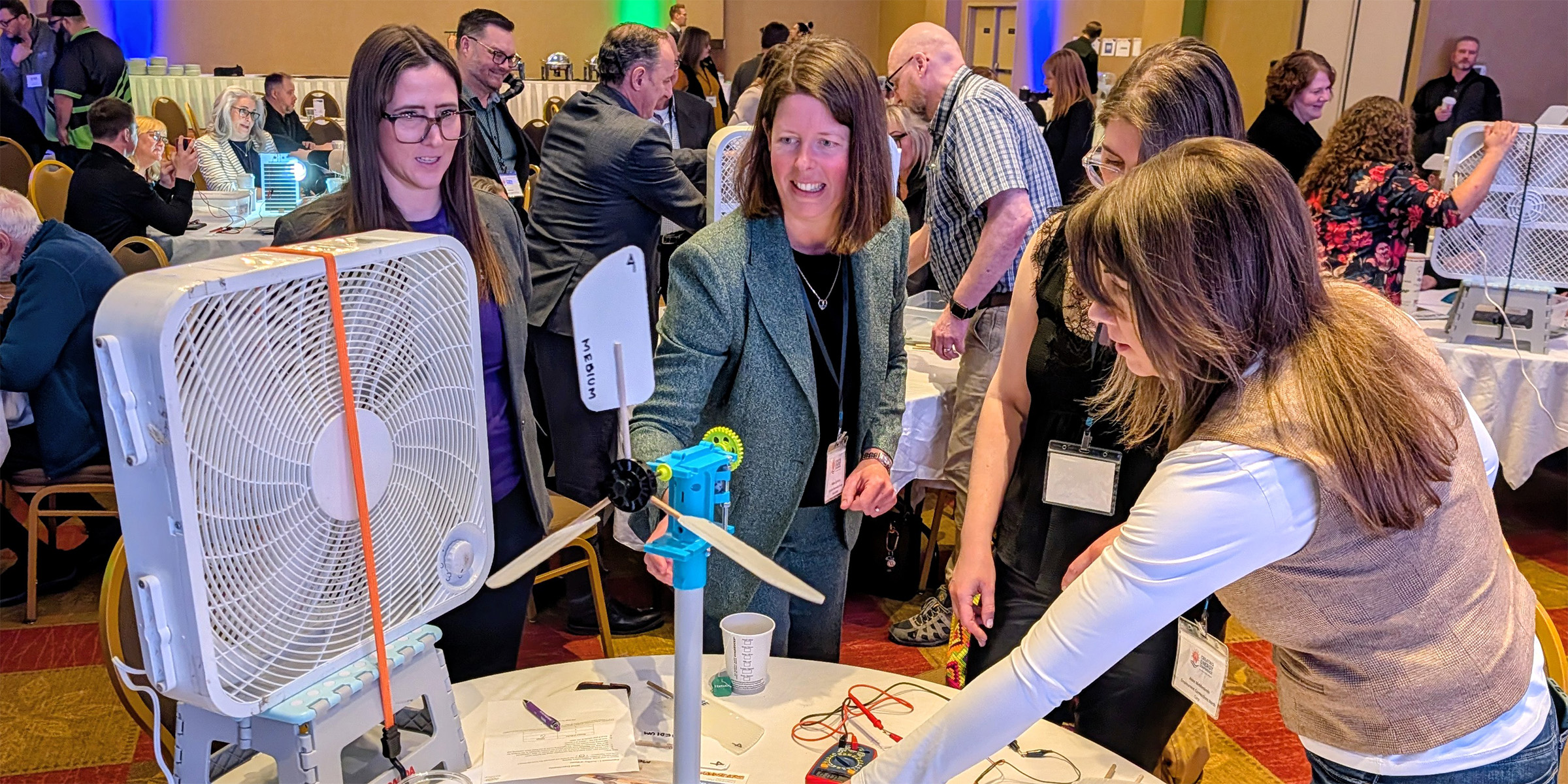
Participants built a small wind turbine and set it next to a box fan to test how the number of blades, their size, and angles of pitch all affect electricity production. Each small group competed against the others to produce the most power from their wind turbine.
Creating Energy Conference in Fort St. John
The dialogue, workshop, and tour on April 20 was timed to precede the Creating Energy conference in Fort St. John on April 21, providing an opportunity to attend both events.
The solar and wind experiments in Renewable Energy 101 were provided to all of the conference delegates, serving as a fun and engaging activity to complement the presentations and panel discussions that are common during conferences.
For a review from one of the participants, see “Assembly required: Hands-on participation at Creating Energy.”
Presented in partnership with:
