Power Efficient Design
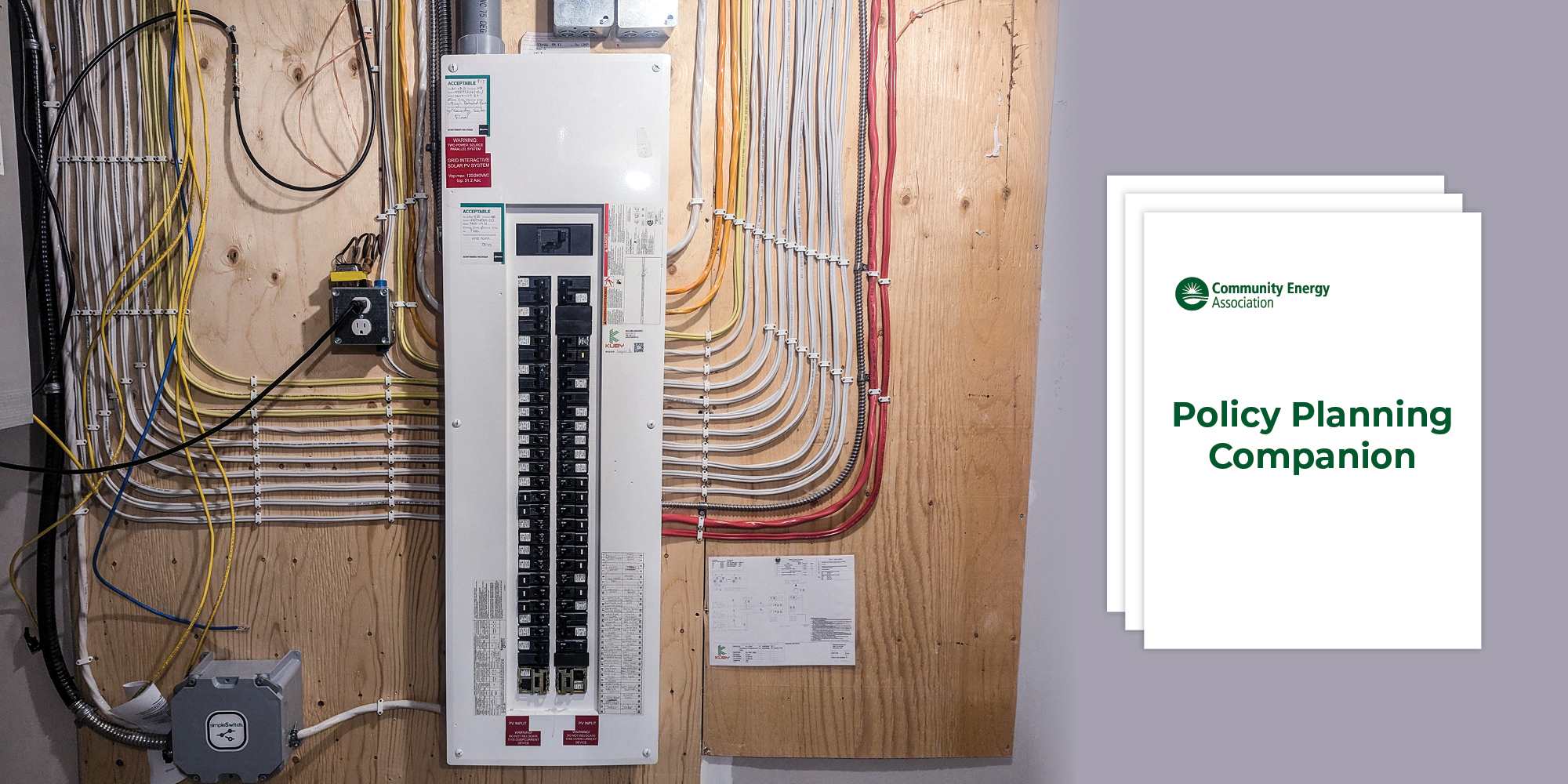
You may be operating under the assumption that most homes need an electrical panel upgrade in order to accommodate equipment such as heat pumps and EV chargers. But according to CEA’s newest policy planning companion for local governments, many BC homes can manage with their existing 100 A service.
Power efficient design strategies, including efficiency improvements, load elimination, and the application of energy management systems (EMS), mean many BC homes already have enough electrical capacity. When electrical loads are planned and managed thoughtfully, new electrical equipment can be installed without electrical service upgrades—reducing costs, avoiding delays, and boosting confidence for residents, builders, and developers.
Learn what local governments need to know about power efficient design in this newly published guide.
Local governments play a key role in ensuring residents understand their options, reducing surprise costs, smoothing the permitting process, and helping households make informed decisions. And they can encourage the building industry to pursue power efficient design by distributing resources, integrating into planning and development review, and clarifying permitting processes.
Questions?
If you have questions about this policy planning companion, please get in touch with:
Rebecca Cuttler
Program Lead - Resources & Knowledge Products
rcuttler@communityenergy.ca
